How to Spot Refrigerant Issues Before AC Repair in Fayetteville
A lot of air conditioners do not fail suddenly. They fade. The home still cools, but not as well as it used to. The system runs longer than it should. The vents feel a little warmer on the hottest afternoons. Then, after a few weeks or months of putting up with it, the unit starts short cycling, the power bill climbs, and the call for AC Repair in Fayetteville feels urgent instead of routine.
Refrigerant problems are one of the biggest reasons that gradual decline happens. They are also one of the easiest issues to miss if you do not know what to look for. The tricky part is that low refrigerant usually does not mean “just add more.” In a healthy system, refrigerant moves in a sealed loop. If it is low, something has gone wrong. A leak, a bad joint, a corroded coil, or a service issue is usually behind it. That is why spotting the signs early matters. It can save the compressor, reduce strain on the system, and keep a small problem from becoming a much more expensive one.
If you own a home in Fayetteville, the timing matters too. Our summers put real stress on cooling equipment. High humidity and long run times make refrigerant problems show up faster and hit harder. A system that is just barely limping along in spring may be failing badly by July. Knowing what refrigerant trouble looks like gives you a better chance to call an HVAC contractor in Fayetteville before the heat turns a minor issue into a major repair.
What refrigerant actually does, and why low levels matter
Refrigerant is the working fluid that lets your air conditioner move heat from inside your home to the outdoors. It absorbs heat indoors, travels outside, releases that heat, and keeps repeating the cycle. That sounds simple, but the chemistry and pressure balance are precise. Your AC is designed to operate within a narrow range of pressures and temperatures. When refrigerant is missing from the loop, that balance slips.
The results are not subtle for long. Airflow may still feel normal, but the air is less cold. The evaporator coil can get too cold and start icing. The compressor may work harder to make up for the missing capacity, which drives up wear and energy use. In many homes, the first thing people notice is that the thermostat is set to 72, but the house sits at 76 or 77 for hours. On paper, it seems like the system is working. In reality, it is running out of headroom.
A common mistake is assuming refrigerant “gets used up” the way fuel does. It does not. If levels are low, the system is leaking or was not charged correctly in the first place. That is why a seasoned AC maintenance in Fayetteville visit should always include more than a quick top-off. It should include pressure checks, temperature splits, airflow inspection, and a search for signs that refrigerant is escaping somewhere it should not.
The early clues that homeowners can actually see
The first signs are often small enough to dismiss. A bedroom stays comfortable while the living room lags behind. The unit seems louder than it was last year. The outdoor condenser keeps running long after the indoor temperature should have dropped. These are the little clues that deserve attention.
One of the clearest signs is weaker cooling from the vents. If the system runs and the air is only mildly cool, not cold, refrigerant may be involved. Another clue is icing on the copper lines or the indoor coil area. A line that sweats a little on a humid day is normal. Frost, ice, or a thick layer of white buildup is not. I have seen homeowners in Fayetteville mistake this for a “dirty air” issue when the real problem was low refrigerant combined with restricted airflow.
You may also notice a hissing or bubbling sound, especially near the indoor evaporator coil or the refrigerant line set. That is not always present, and it is not proof by itself, but it can point toward a leak. Some systems also leave a faint oily residue around joints or fittings. Refrigerant oil moves with the refrigerant, so oil stains near a connection often deserve a closer look.
Another sign is the unit running almost nonstop. During a Fayetteville summer, long runtimes are normal during peak afternoon heat. But if the AC used to cycle on and off and now seems unable to catch up even on moderate days, the system may be losing efficiency due to low charge or a related mechanical problem. That is the point where AC Repair in Fayetteville stops being optional maintenance and becomes a practical necessity.
Ice is not a good sign, even when the house still feels cool
People often hear “ice on the AC” and assume the system is overworked because it is hot outside. Heat alone does not explain icing. Ice usually means the evaporator coil is getting too cold because the pressure in the system has dropped too far, often from low refrigerant, poor airflow, or both.
The annoying part is that ice can create a false sense of comfort. Sometimes the system still blows a little cool air while the coil begins to freeze. A homeowner may think, “It’s not terrible yet.” But the icing blocks airflow, which makes cooling worse, which leads to more icing. That spiral can happen fast. A system that was slightly underperforming at lunch can be nearly useless by evening.
If you see ice on refrigerant lines, the indoor coil, or the outdoor unit’s copper tubing, turn the system off and let it thaw before you do anything else. Continuing to run it can damage the compressor. This is one of those moments where calling an HVAC contractor in Fayetteville sooner is far cheaper than waiting until the compressor burns out.
Higher utility bills often show up before major breakdowns
The bill tells a story even when the equipment seems to be hanging on. Refrigerant issues make the system work longer to achieve the same result, and that extra runtime shows up in electricity use. In many homes, the increase is not dramatic at first. It might be 10 to 20 percent over a comparable month, sometimes more if the leak is significant or the weather is especially punishing.
That kind of increase is easy to shrug off during a hot Arkansas summer. But if your habits have not changed, your thermostat settings are the same, and the utility bill jumps anyway, it is worth investigating. I have seen families spend more over a single cooling season trying to power through an inefficient system than they would have spent on a timely repair visit. That does not mean every high bill is a refrigerant leak. It could be dirty coils, worn capacitors, duct loss, or a failing blower. Still, refrigerant should be high on the list when a home feels less comfortable and the power use climbs at the same time.
For homeowners comparing repair and replacement, this is also where honest guidance matters. A trustworthy HVAC contractor in Fayetteville should explain whether the system needs a leak repair, a recharge after a verified fix, or whether the age and condition of the unit make AC installation in Fayetteville the smarter long-term choice. That distinction saves money because it avoids pouring refrigerant into a system that will lose it again next month.
Strange humidity is a clue people overlook
A properly functioning air conditioner does more than cool air. It removes moisture. When refrigerant levels are low, the coil may not stay cold and stable enough to dehumidify effectively. The result is a home that feels sticky even if the thermostat reads near the target temperature.
This is one of the most common complaints in our area during damp weather. A homeowner says the air “just feels heavy,” or the sheets feel slightly damp at night. They may not immediately connect that sensation to refrigerant. But if the unit is struggling to absorb heat and moisture from the air, the indoor environment changes in ways that are easy to feel and hard to describe. That discomfort is often a useful warning before the system quits altogether.
The same issue can show up as condensation in places it should not be, such as around supply vents or on windows that used to stay dry. Humidity is tricky because it has multiple causes. Poor insulation and duct leaks can contribute, too. But if your AC has recently lost cooling performance and the house has started feeling sticky, refrigerant issues deserve a closer look.
When a simple recharge is not the real fix
It is tempting to think of refrigerant like air in a tire. Add some, and things are fine again. AC systems are not built that way. If refrigerant is low, there is a reason. Adding more without finding that reason can create a short-lived improvement followed by the same problem returning.
That is one reason I advise homeowners to be skeptical of quick fixes that do not include diagnostics. A proper service call should identify the leak or confirm that the charge was wrong to begin with. It should also check for coil damage, line set issues, and service ports that are not sealing properly. In older systems, repeated refrigerant loss can point to wear that makes repair less attractive than replacement.
There is also a practical concern. Different systems use different refrigerants and require the right handling procedures. A clean recharge on a healthy system, after leak repair and evacuation, is not the same thing as a rushed top-off. The second approach can mask the real issue, waste money, and put more stress on the compressor. If you are asking an AC repair professional to “just put some refrigerant in,” you may be treating the symptom and leaving the cause untouched.
What a good technician will check before recommending repair
A good service visit should feel methodical, not rushed. The technician should not simply read one pressure gauge and make a guess. They should inspect the indoor coil, outdoor unit, line set, airflow, and electrical components that affect system performance. Refrigerant problems often overlap with other issues, so the diagnosis has to be careful.
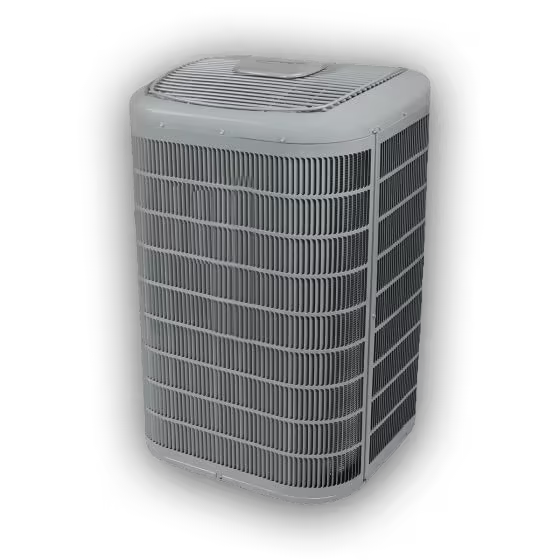
They should also ask questions about when the problem started, whether the system has iced up AC Repair in Fayetteville before, whether the air filter has been changed regularly, and whether any rooms feel worse than others. Those details matter more than people realize. A clogged filter or blocked return can mimic refrigerant trouble. A weak blower can do the same. The right diagnosis prevents unnecessary refrigerant charging and helps the repair focus where it belongs.
If a leak is found, the tech should explain the location and severity in plain language. A pinhole in an accessible line is a very different problem from corrosion in a buried coil. That difference affects the repair plan and the cost. A solid AC maintenance in Fayetteville provider will be upfront about that. The goal is not to sell the biggest job. The goal is to restore reliable cooling in a way that makes sense for the age and condition of the system.
A quick homeowner check before you call for help
Some warning signs are best left to professionals, but there are a few safe observations that can help you decide whether to schedule service sooner rather than later. If the system is still running, take a careful look at the supply vents, the outdoor unit, and the refrigerant lines you can see without opening panels. Notice whether the air feels weaker than usual, whether the outdoor unit is cycling constantly, and whether you can see ice, frost, or oily residue.
That kind of observation does not replace professional testing, but it can speed up the conversation with your technician. If you tell a contractor that the upstairs bedroom is warm, the outdoor unit has been running for hours, and the suction line is frosted over, they already have a useful starting point. That can shorten diagnosis and help prevent the system from running in a damaged state for another week.
When repair makes sense, and when replacement deserves a serious look
Not every refrigerant issue means the system is done. If the unit is relatively modern, the leak is found early, and the repair is straightforward, fixing it can make good sense. Many homeowners in Fayetteville get several more reliable years out of a system after a proper repair and recharge.
The picture changes when the unit is old, inefficient, or has had repeated refrigerant issues. At that point, ongoing repairs can turn into a money pit. A system that is near the end of its service life may not be worth another costly leak repair, especially if the coil is corroded or the compressor is already showing strain. That is where an experienced HVAC contractor in Fayetteville can help you compare repair costs with AC installation in Fayetteville and make a decision based on the real condition of the equipment, not just the immediate discomfort in the house.
That judgment matters because refrigerant problems rarely exist in isolation. They often arrive alongside aging motors, worn capacitors, dirty coils, or ductwork that needs attention. A thoughtful assessment looks at the whole system. The right answer is not always the cheapest one today. Sometimes the smarter move is a repair. Sometimes it is replacement before the next summer heat wave exposes every weakness at once.
Why Fayetteville homeowners should stay ahead of the problem
Our climate is not kind to underperforming cooling systems. Long stretches of heat, high humidity, and heavy usage can expose weak spots fast. That is why waiting until the system fails on the hottest weekend of the year is a bad bet. Refrigerant problems are especially worth catching early because they often start small and grow quietly.
Regular AC maintenance in Fayetteville gives you a real advantage. A technician can spot low charge trends, oily residue, airflow problems, and compressor stress before the damage compounds. Even if nothing is obviously wrong, that inspection helps protect the equipment from the kind of wear that shortens its lifespan. Think of it as paying attention before the system starts speaking in expensive noises.
Homeowners who stay proactive also avoid the panic that comes with emergency service calls. When the house is hot, everyone wants the repair done immediately, and that urgency can narrow your options. If you have already noticed the early signs, you can schedule a normal service call, get a clearer diagnosis, and make a better decision about repair or replacement.
A/C Man Heating and Air sees these situations often, and the pattern is usually the same. The homeowner notices weak cooling or icing, waits to see if it improves, then calls once comfort drops off a cliff. By then, the fix may still be possible, but the system has already been under strain longer than it needed to be. That is the part to avoid. Early action costs less than emergency recovery.
Spotting refrigerant issues before a full AC breakdown is less about technical expertise and more about paying attention to the small changes your system makes. Warmer air from the vents, longer run times, ice on the lines, sticky indoor air, and rising utility bills are not random annoyances. They are signals. When you catch them early, you give yourself more options, protect the equipment, and reduce the odds of facing a costly, uncomfortable failure in the middle of Fayetteville heat.
A/C Man Heating and Air
1318 Fort Bragg Rd, Fayetteville, NC 28305
+1 (910) 797-4287
[email protected]
Website: https://fayettevillehvac.com/